USA–Iran War Intensifies: Conflict Spreads Across the Middle East
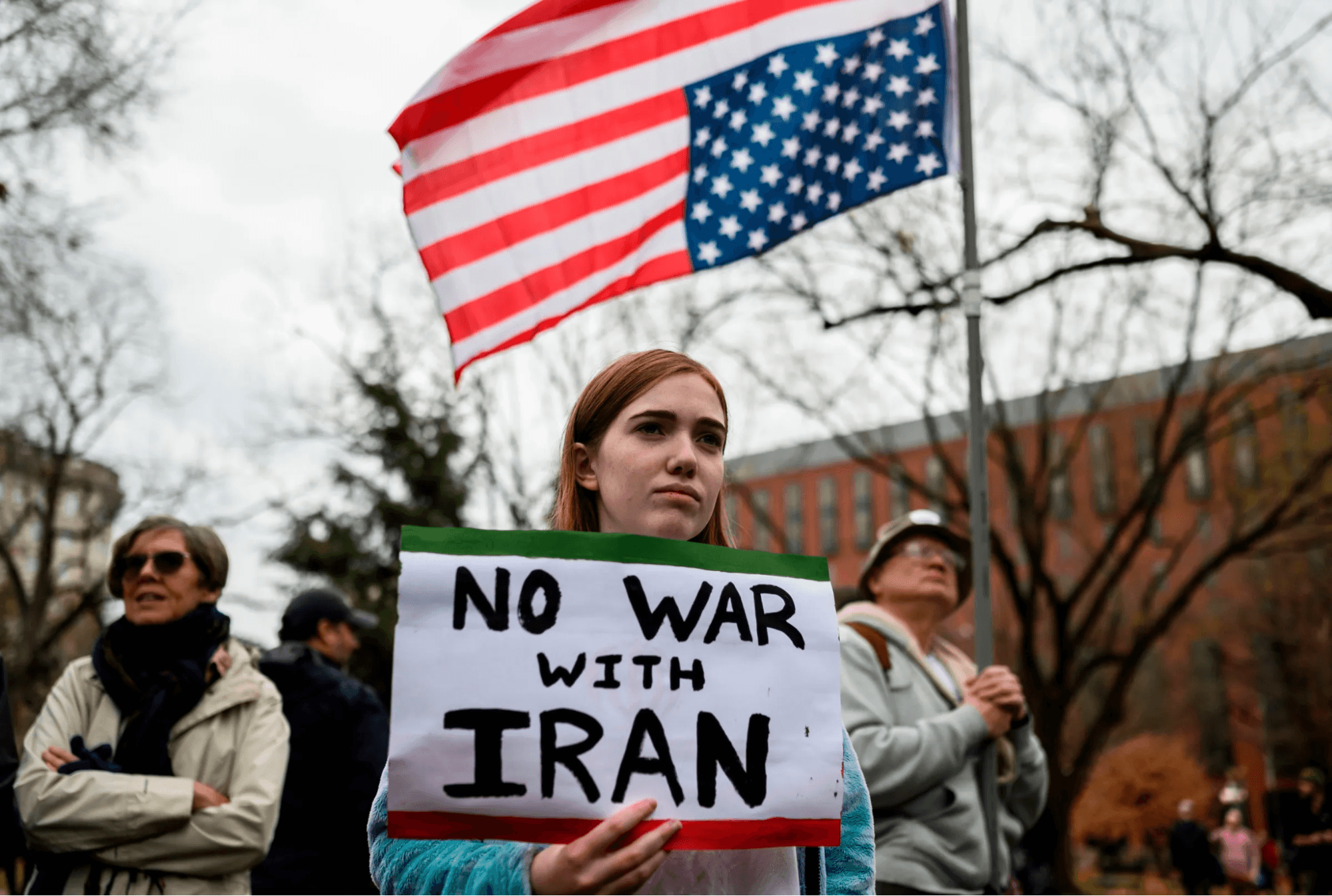
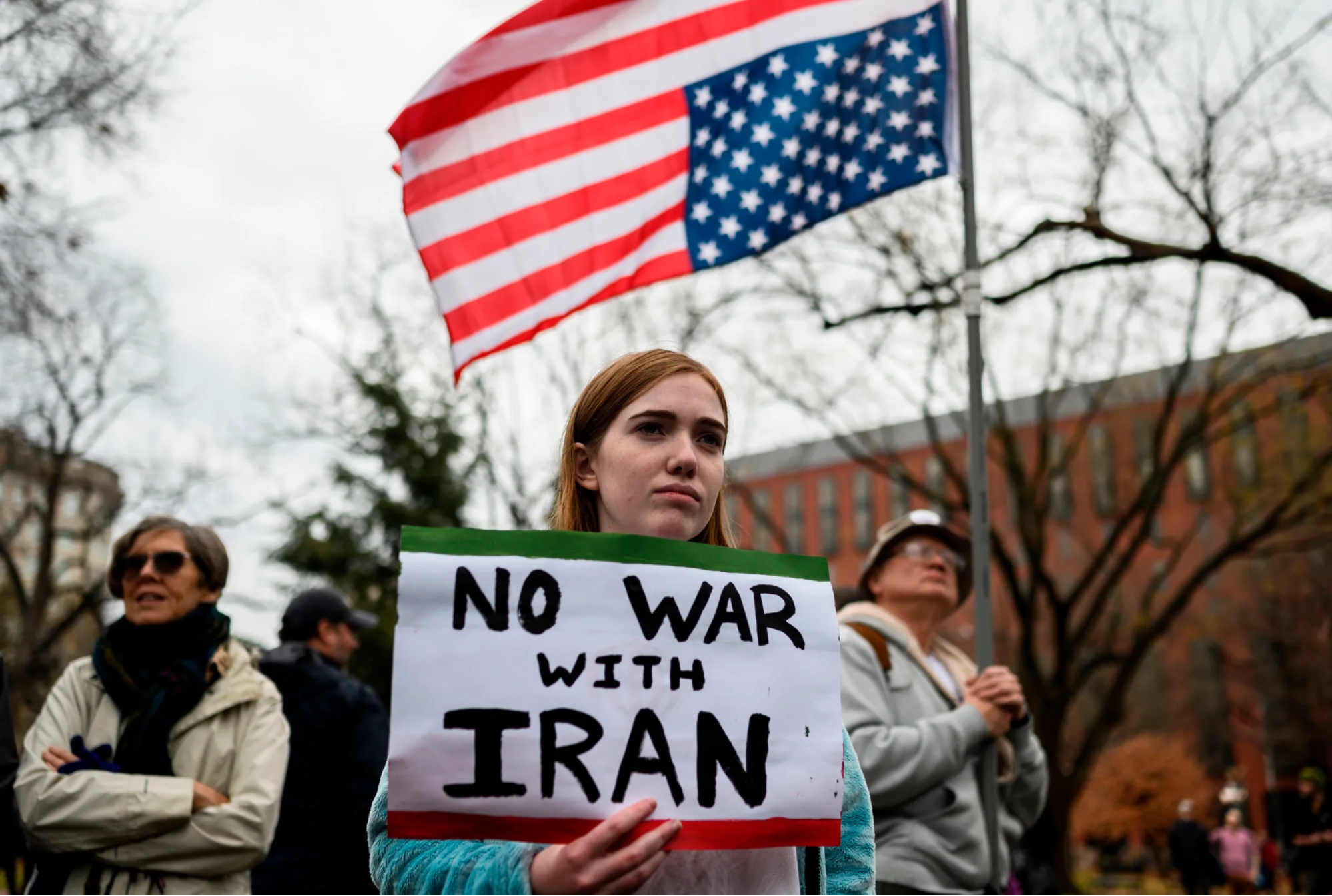
In April 2026, the conflict between the United States and Iran escalated sharply, marking one of the most dangerous phases of the war so far. Military operations intensified across multiple fronts, with both sides increasing the scale and frequency of attacks. The conflict spread beyond direct U.S. and Iran engagement, affecting neighboring countries and raising fears of a broader regional war.
One of the most critical flashpoints in April has been the Strait of Hormuz. Iran has continued to restrict access to the vital waterway, disrupting global oil shipments and putting pressure on international markets. In response, U.S. leadership issued a strong ultimatum demanding that Iran reopen the strait, warning of severe military retaliation if it failed to comply.
At the same time, Iran has escalated its retaliatory actions. Iranian forces have reportedly launched missile and drone strikes targeting energy infrastructure and strategic facilities in Gulf countries such as Kuwait and Bahrain. These attacks signal a deliberate expansion of the conflict, increasing instability across the region and drawing more actors into the crisis.
April has also seen growing concern over civilian casualties and damage to non military infrastructure. Reports indicate that strikes have hit facilities such as bridges, industrial sites, and possibly civilian areas, prompting criticism from international observers. Legal experts have warned that some actions may violate international law, further intensifying global scrutiny of the war.
Despite the escalating violence, diplomatic efforts have not completely stalled. Mediators have been working to establish a temporary ceasefire, with discussions around a proposed 45 day truce aimed at creating space for broader negotiations. However, with both sides continuing military operations, the chances of a near-term resolution remain uncertain.