The Embodied Singularity: Physical AI, Neuromorphic Hardware, and the Labor Crisis of 2026
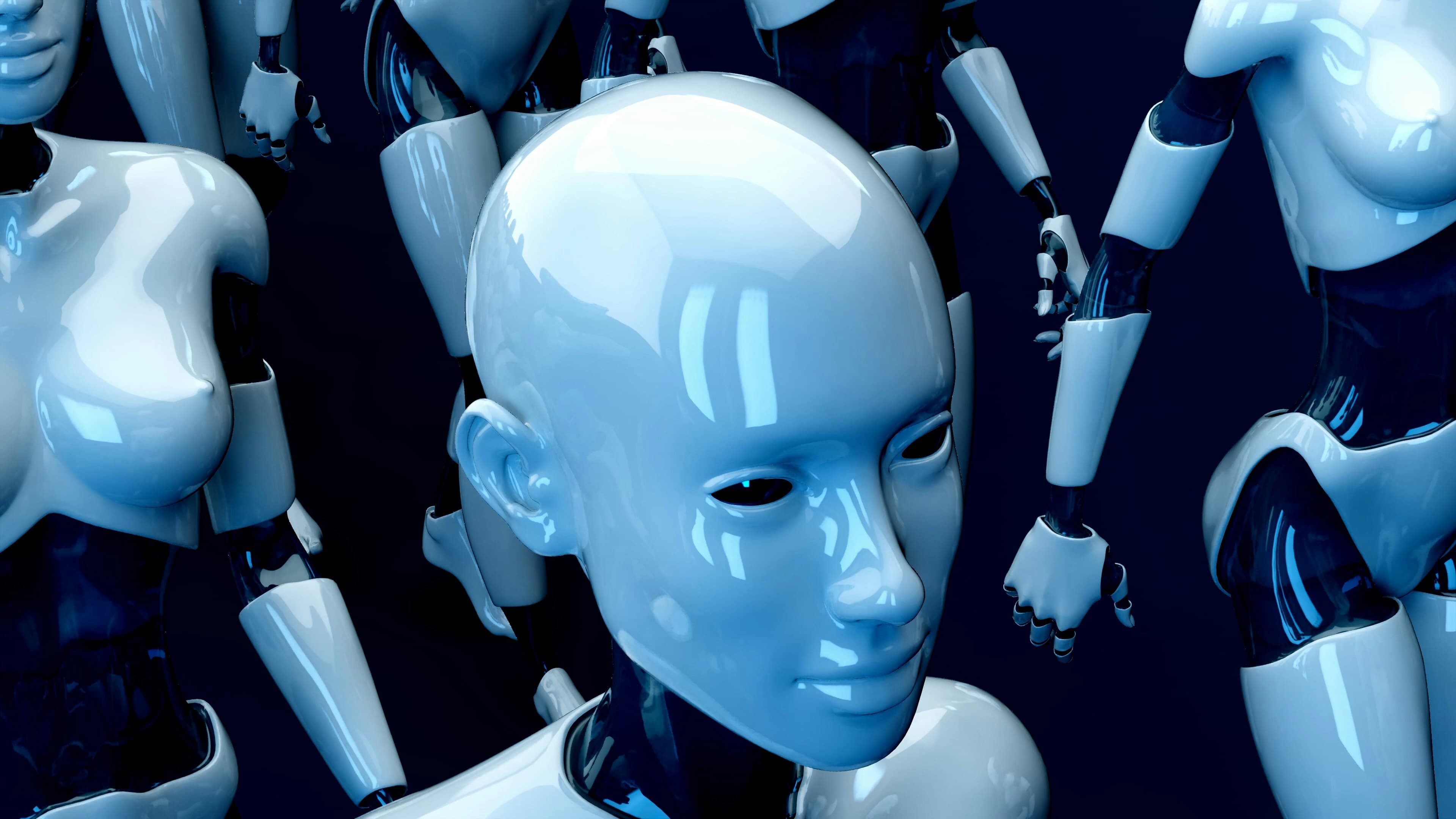
2026 is the year of the "Great Physical Breakout," in which artificial intelligence has transcended digital logic to achieve robust physical capabilities. This has been facilitated by the integration of World Foundation Models (WFMs) with a major breakthrough in neuromorphic computing that has overcome the mobile energy crisis. The "Jobs War" between labor unions and industry has commenced as a consequence of industrial deployment, with potential for a split in the world economy over hardware supply chain geopolitics.
The Cognitive Convergence: World Models and Agentic Control
The "mind" of the 2026 robot has changed from a fixed code to a probabilistic thinking process. NVIDIA’s Cosmos platform has now successfully industrialized the "World Foundation Model," which allows robots to predict their own future state and physical interactions by pre-training on petabytes of video data instead of simulation. Meanwhile, Google DeepMind’s Gemini Robotics has also introduced "Agentic AI" into the control stack, using Chain-of-Thought planning to convert natural language inputs into control code in real-time. Such a software architecture now allows robots to navigate unstructured environments with a degree of adaptability that only living organisms could previously manage.
The Hardware Breakthrough: The Neuromorphic Revolution
A critical advancement missing from earlier projections is the commercialization of neuromorphic computing in early 2026. Intel’s transition of its Loihi architecture to mass production has introduced "spiking neural networks" to robotics. Unlike traditional chips that consume power continuously, these neuromorphic processors consume energy only when data changes—mimicking the human brain’s efficiency. This has reduced the power consumption of onboard AI processing by nearly 100 times, allowing humanoids to operate for full work shifts without the battery limitations that plagued previous generations.
The Industrial Vanguard and the Samsung Pivot
The manufacturing industry has progressed from pilots to full-scale deployment. BMW's use of Figure AI's robots at Spartanburg has shown that humanoids can operate with zero interventions per shift while integrated into human-centric manufacturing lines. Tesla's push for further vertical integration and aiming for millions of Optimus robots using its autonomous vehicle brain is ongoing. Of great interest is that 2026 also represents the entry of Samsung Electronics, which has set up its own "Future Robotics Office" and acquired a controlling stake in Rainbow Robotics, indicating that it will pour significant capital into the "Android of Robots" platform to compete with Tesla and Hyundai.
The Socioeconomic Shock: The "Jobs War"
This has resulted in a conflict situation. In South Korea, for instance, the Hyundai Motor Labor Union has gone on strike under a “Jobs War” banner, refusing to let the electric Atlas robot enter the workforce without a new collective bargaining contract. The union’s internal analysis has found that “the operating cost of one Atlas robot is less than 5% of a human worker’s annual cost after the first year,” and so has created an existential threat for human workers.
Geopolitics: The Nutcracker Dilemma
Although the software is from the US, physical reality is bound by Asian supply chains. South Korea is in a “Nutcracker” situation, being world leaders in robot density, but 88.8% of their permanent magnets for robot motors are supplied from China. As China asserts their “Full Stack Sovereignty” on rare earths and actuators, we are looking at a world where robotics is bifurcated into a situation where hardware availability is a weapon in international trade policy.