3.1 Movement
When you all think of March, what comes to your mind first? The beginning of spring? Or the start of a new school year? Among all of these, there is one special day that Koreans remember: the 3.1 Movement. I am sure everyone is aware of what kind of day it is, but not many of us know the specific details about it or how to properly commemorate it.
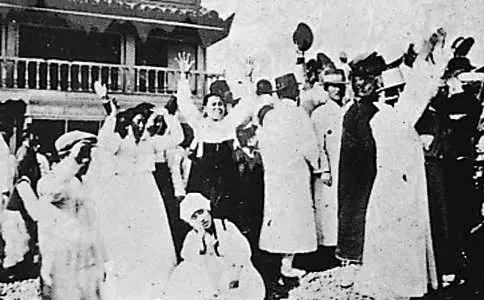
The March First Movement was a nationwide protest against Japanese colonial rule that began on March 1, 1919. On that day, Korean leaders publicly read the Declaration of Independence in Seoul, calling for freedom from Japanese rule. Soon after, students, religious leaders, and ordinary citizens across the country joined the demonstrations, shouting “Manse!” and demanding independence. The protests quickly spread throughout Korea and even to Korean communities abroad. Although most demonstrations were peaceful, Japanese authorities responded with violent suppression, arresting thousands of protesters and killing many civilians.
Although Korea did not gain independence immediately, the movement became a major turning point in the Korean independence struggle. It strengthened the independence movement, led to the creation of the Korean Provisional Government, and damaged Japan’s international reputation. The protests were fueled by harsh Japanese colonial policies, including economic exploitation, cultural assimilation, and political repression, which had already caused growing unrest and labor strikes in Korea.
In order to remember this day in the spirit of our ancestors and show gratitude for their sacrifices, most government offices and schools are closed in remembrance. The day is marked by flag-raising ceremonies, parades, concerts, and exhibitions featuring reenactments of the March 1st Movement. It is important to remember the tears and sacrifices of our ancestors, who endured years of hardship so that Korea could stand today as an independent nation.