Korea Moves on to Quarters in the World Baseball Classics for the First Time in 17 Years!
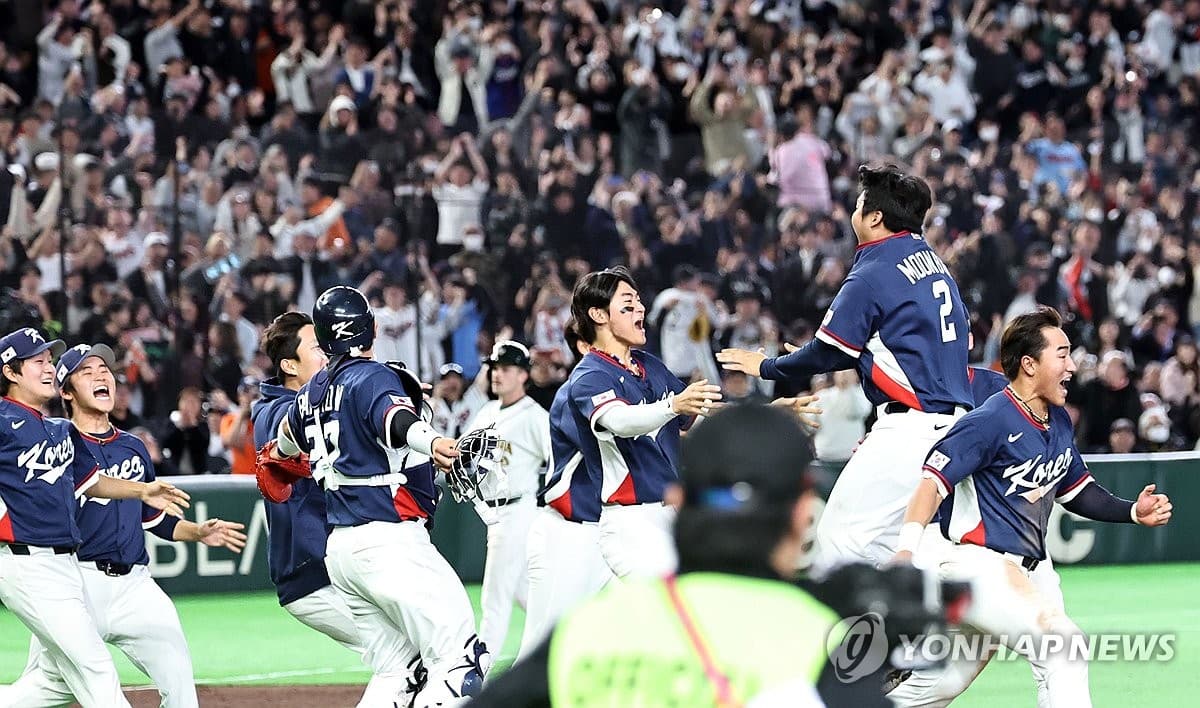
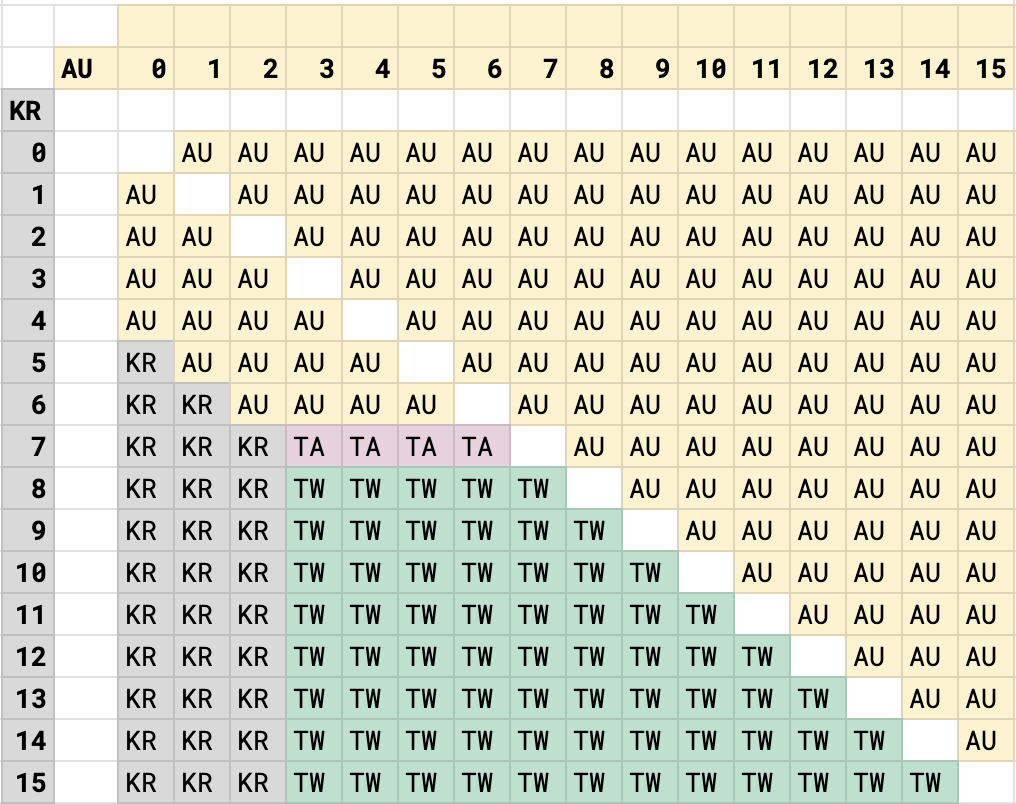
South Korea is back in the knockout stage of the World Baseball Classic for the first time in 17 years. 2026, March 9th, in a do-or-die game filled with pressure and complex tiebreaker scenarios, Korea delivered exactly what it needed, a 7–2 victory over Australia at Tokyo Dome to clinch a spot in the 2026 WBC quarterfinals. But the final score alone does not capture how difficult the situation was. Korea entered the game knowing that simply winning would not be enough. With multiple teams tied in Pool C, advancement depended on a complicated run-differential tiebreaker. Korea needed not only a victory, but a win by at least five runs while allowing no more than two runs. Anything less would have meant elimination.
Moon Bo-gyeong Delivers the Breakthrough
Designated hitter Moon Bo-gyeong provided the offensive spark Korea desperately needed. The LG Twins infielder drove in four RBIs, including a crucial two-run home run, helping Korea build the run margin required to stay alive. His early offensive explosion set the tone for the entire game, giving Korea confidence in a must-win situation.
Kim Do-young Ignites the Offense
Young star Kim Do-young also played a key role in Korea’s attack. The KIA Tigers infielder consistently pressured Australia’s pitching staff with aggressive swings and smart baserunning. Kim’s ability to get on base and keep innings alive helped Korea sustain rallies and create scoring opportunities throughout the game, adding important depth to the lineup during one of the tournament’s most critical moments.
Captain Lee Jung-hoo Leads by Example
Team captain Lee Jung-hoo stepped up when Korea needed calm and execution the most. The former Kiwoom Heroes star, now in Major League Baseball, contributed an RBI hit and made a critical defensive play late in the game. In the bottom of the ninth, with runners on base and tension at its peak, Lee made a difficult running catch on a fly ball to help preserve Korea’s path to advancement. After the final out, he collapsed onto the field in visible relief.
Ahn Hyun-min and Park Hae-min Creates the Decisive Run
Speed specialist Park Hae-min changed the game with his legs in the ninth inning. Entering as a pinch-runner, Park immediately put pressure on Australia’s defense. His aggressive baserunning forced a defensive mistake and helped move runners into scoring position, setting up Ahn Hyun-min’s magnificent sacrifice fly that produced Korea’s crucial seventh run. That run ultimately secured the exact five-run margin Korea needed to advance.
Pitchers Hold Under Intense Pressure
Korea’s pitching staff also delivered in the most demanding circumstances. Starter ace Son Ju-young exited early due to elbow discomfort, but the bullpen responded with composure, limiting Australia to just two runs, the maximum Korea could allow while still advancing. Relievers combined to shut down Australia’s lineup and protect the fragile run differential that determined Korea’s fate.
A Moment That Moved Korean Baseball
When the final out was recorded, emotions spilled over across the stadium and broadcast booths alike. Former Korean baseball star Park Yong-taek, working as a commentator, was visibly emotional and fought back tears while watching the moment unfold. For many who had followed Korean baseball through years of disappointment in the tournament, the victory carried deep meaning. Seventeen years had passed since Korea last reached the WBC quarterfinals. In that time, the national team endured several painful early exits. But on this night, through a combination of clutch hitting, fearless baserunning, and resilient pitching, Korea finally found its way back. And in a tournament where every run mattered, the Korean team delivered exactly the runs it needed.