Gaming Industry Changes
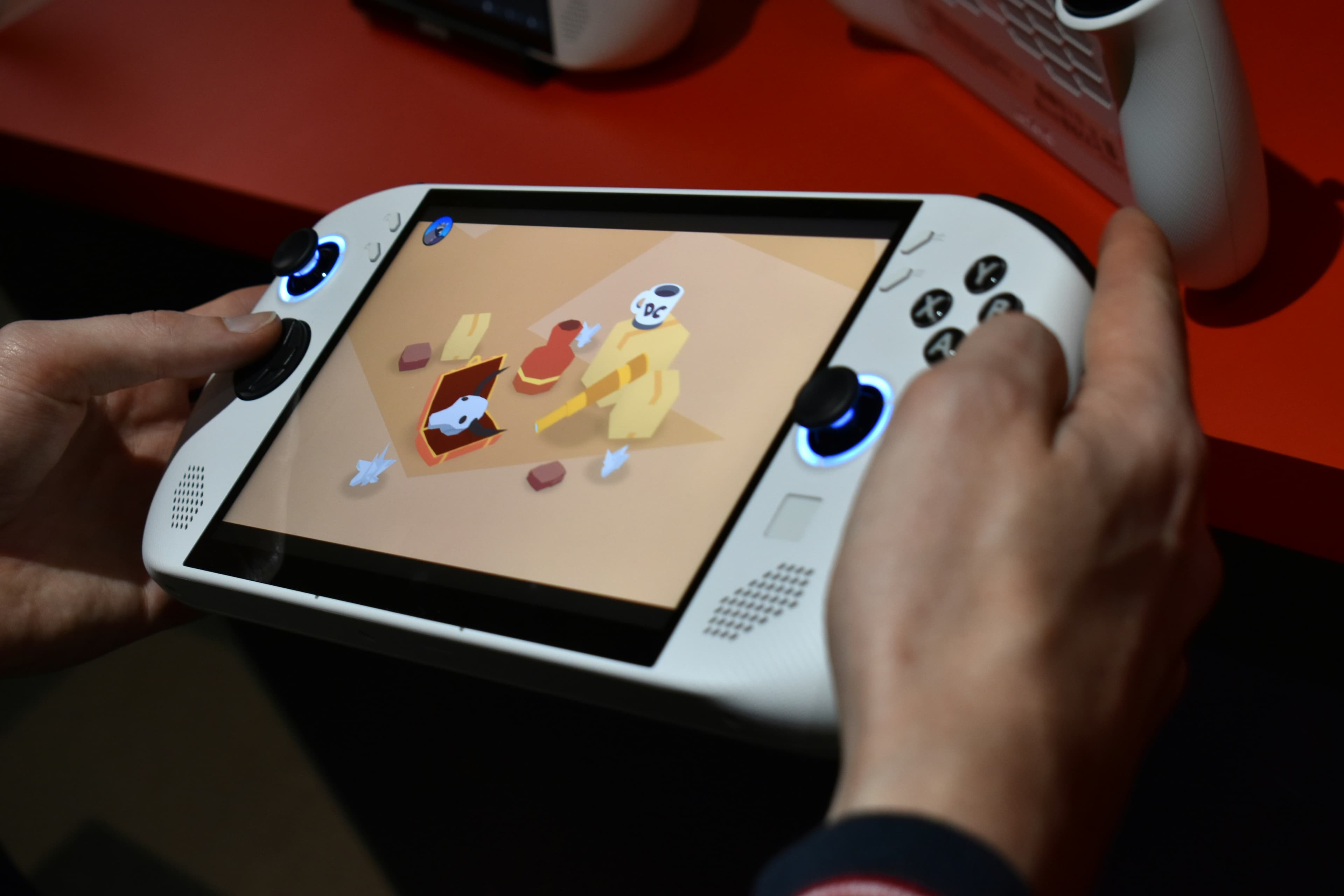
The word ‘gaming’ often brings to mind a hardcore player wearing a flashy headset, staring at a screen connected with a tangle of cables to a powerful computer. That image used to be partially true, but as the gaming industry evolved, the term now also describes anyone who enjoys playing any videogame like Snake. The gaming industry has shifted over time, and development now focuses not only on trying to mimic real life on screen but also on creating simple, accessible experiences that anyone can enjoy.
One clear, physical change is that not all games require players to buy extensive equipment for gaming, and rather games are now designed to work across platforms. This means that a friend with a robust computer can now enjoy the game with someone who has a simple smartphone.
This accessibility change encouraged the growth of the more simpler gaming market. Developers are now focusing on more simple but engaging gameplay that everyone can relate to and play. Known as casual and hyper-casual games, they rely on low poly models and simple controls to make the game more acceptable to anyone in any age group. These games usually follow a simple storyline or a goal, for example, simulating life if they are a police officer.
Genre and subject changes are not the only improvements that gaming industries made. While new categories like casual and hypercasual games have emerged, already existing genres received a change on how it works too. Those games now have more advanced non-playable characters(npc), making the gaming experience more reliable and dynamic. These enhancements allow players to connect the game with real life elements.
In the end, gaming has grown far beyond its early image of specialized equipment and complex systems. It has become a universal activity that welcomes players from all backgrounds and skill levels. Whether through hyper-casual mobile games or realistic simulations, the industry now prioritizes creativity, connection, and accessibility. This evolution shows how gaming continues to adapt alongside technology and society, shaping not only how people play them but how games and people shape each other.