Black Friday
Black Friday refers to the day after Thanksgiving in the United States, marking the unofficial start of the holiday shopping season. It has evolved into a major retail event, both in physical stores and online, where consumers anticipate significant discounts and special deals.
The term “Black Friday” has more than one story behind it. One origin places it in the city of Philadelphia in the 1950s and 1960s: after Thanksgiving, crowds of shoppers and visitors coming for the annual Army-Navy football game would flood the streets, creating traffic jams and disorder, which police referred to as “Black Friday.”
Another explanation focuses on retail accounting for many stores. The intense sales on this day meant turning their books from “in the red” (losses) to “in the black” (profits). Over time, these meanings blended, and the day became widely known for bargain hunting and big-ticket shopping.
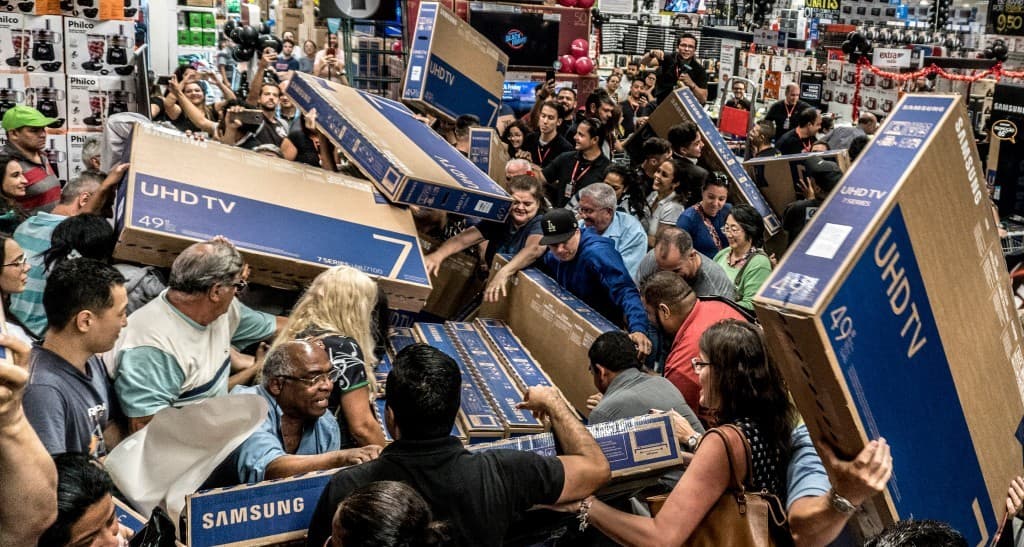
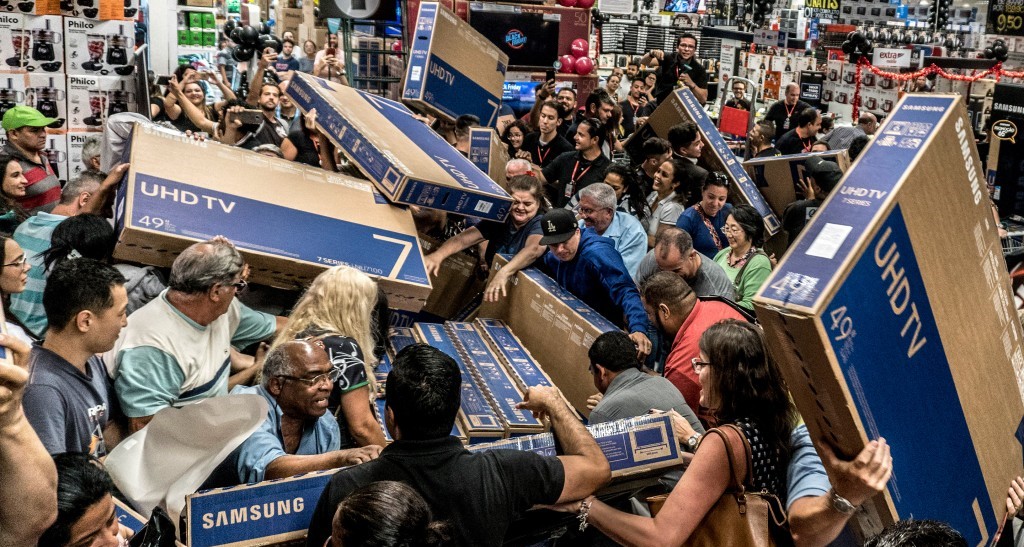
On Black Friday, stores open very early in the morning. People line up outside to get the best deals before the items run out. Sometimes the stores are very crowded, and shoppers move quickly to find what they want. Although it can be stressful, many people enjoy the thrill of getting a great bargain. In recent years, an increasing number of people have opted to shop online rather than visit stores. Online shopping is easier and safer because you do not need to wait in long lines. Many websites also offer the same Black Friday deals, so shoppers can still save money.
Some stores open as early as 5:00 a.m., while others open at midnight or even on Thanksgiving night. People sometimes camp outside stores for hours to be the first in line. They do this because popular items such as TVs, game consoles, laptops, and toys often sell out quickly. Some shoppers enjoy the excitement and the challenge of finding the best deal. However, the crowds can be stressful, and sometimes people push or rush to get what they want. Black Friday has also grown beyond the United States. Many countries around the world now have their own Black Friday sales. Even places that do not celebrate Thanksgiving use the idea of offering significant discounts at the end of November. This illustrates the considerable influence and popularity of Black Friday.
Black Friday is more than just a day of deals; it reflects the intersection of commerce, culture, and consumer behaviour. It began in the midst of troubled traffic jams or in retail accounting shorthand, but evolved into a central fixture of the holiday shopping season. While it offers clear benefits to bargain-hunters and retailers alike, it also raises questions about sustainability, fairness, and the pace of modern consumption.