Art in the Age of Artificial Intelligence
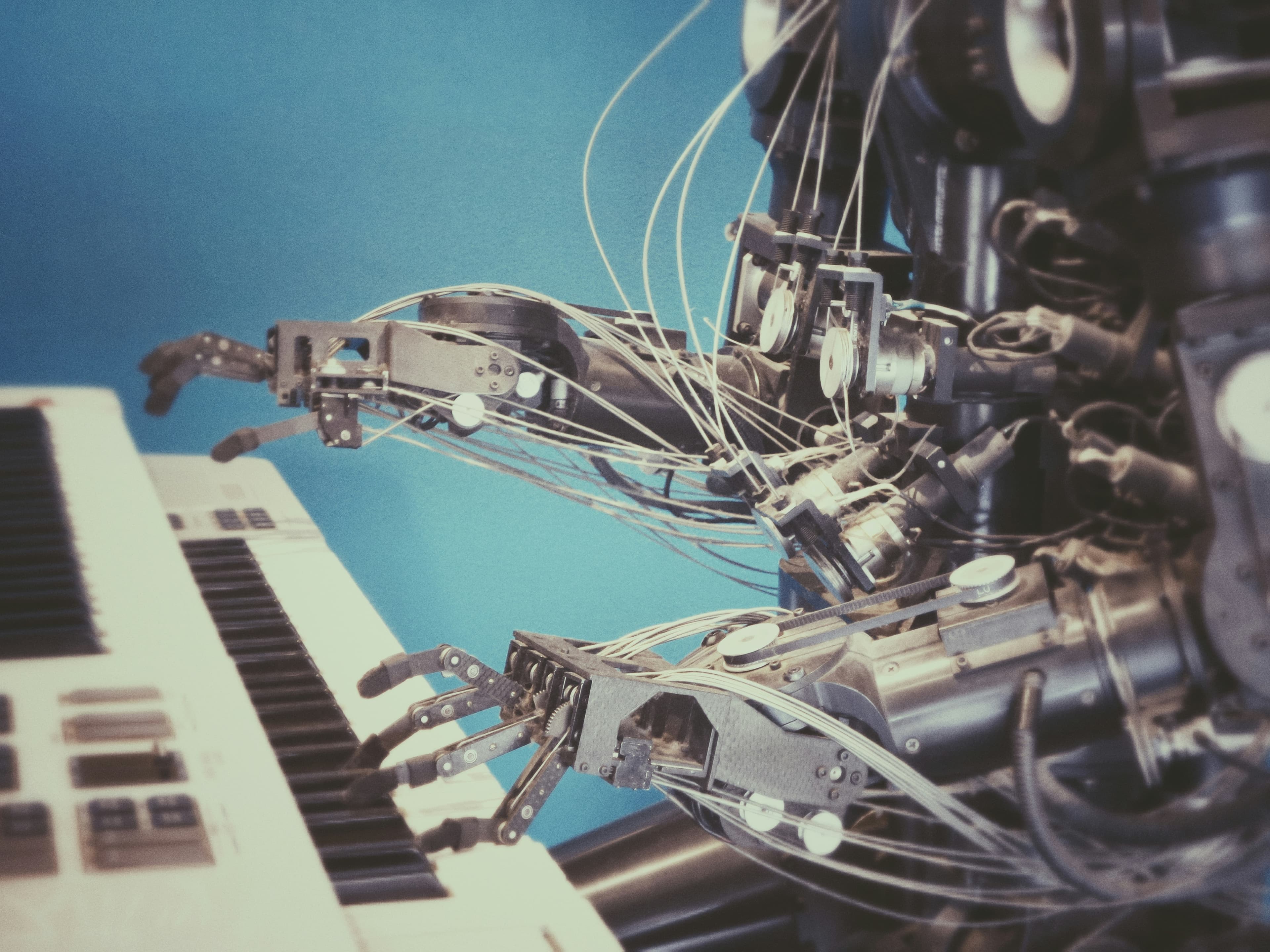
Artificial intelligence is becoming more common in everyday life, and it has started to change the art world as well. In the last few years, tools like DALL-E and Midjourney have allowed people to create images just by typing a few words. These images can look realistic, painted, animated, or similar to existing art styles. Because of this, AI is now being used in areas like design, illustration, advertising, and entertainment, which has raised new questions about creativity and originality.
One major concern is how AI affects artists and creative jobs. A study from the Universitat Oberta de Catalunya found that around 26 percent of tasks in creative industries could be automated by AI. This mainly includes technical or repetitive work, such as basic designs or early drafts. While AI does not completely replace artists, it has changed how creative work is done and how much human involvement is needed.
Many artists are worried about losing work because of AI. In fields like photography and illustration, some professionals say companies are choosing AI-generated images instead of hiring artists. Creative industry groups have warned that generative AI could seriously hurt the photo industry in the coming years. Another issue is how AI systems are trained, often using artwork found online without permission, which has led to copyright and legal debates.
This debate became more visible in 2025 with the rise of AI images made in the style of Studio Ghibli. Social media was filled with images copying the soft animation style seen in movies like Spirited Away and Howl’s Moving Castle. While many people enjoyed the trend, others criticized it for copying a well-known art style without permission.
Hayao Miyazaki, co-founder of Studio Ghibli, has previously spoken strongly against AI in art. In interviews and footage that resurfaced online, he described AI-generated art as “an insult to life itself.” His words are often mentioned in discussions about whether machines should be involved in creative work.
Not everyone sees AI as harmful. Some artists use it to help brainstorm ideas, try new styles, or save time during early stages of a project. Supporters argue that AI makes creative tools easier to access, especially for people without professional training or expensive equipment.
Overall, opinions on AI-generated art remain divided. Surveys show many artists feel negatively toward AI-made work, especially when people are not told that an image was created by a machine. As AI continues to develop, its role in the art world is likely to grow, along with debates about ethics, copyright, and the future of creative jobs.