After the Supreme Leader
The death of Iran’s supreme leader Ali Khamenei, shocked the country and the world. His death created uncertainty about Iran’s future politics. In recent decades, many people in Iran have protested against the government because of economic problems, and limits on freedom. Now, with the sudden loss of such a powerful leader, tensions in the country may grow even stronger. And, his death could become an important turning point that influences protests and the direction of Iran’s future politics, and society.
However, even during the war, apparently Khamenei’s 2nd son has been chosen as Iran’s new leader. So, If power is passed within the same family, many people may see this as continuation of the current system rather than actual political changes. Because of this, some citizens may become even more frustrated with the government. Then, frustration gets bigger and bigger and it could lead to new protests, especially young generations who have already demanded greater freedom and reforms.
Recently, there have also been reports that Khamenei’s son, who was expected to take power, may have been injured during this war. This news has created even more uncertainty about Iran’s leadership and politics. If the person expected to succeed the supreme leader is unable to fully lead the country, it could cause further instability inside the country.
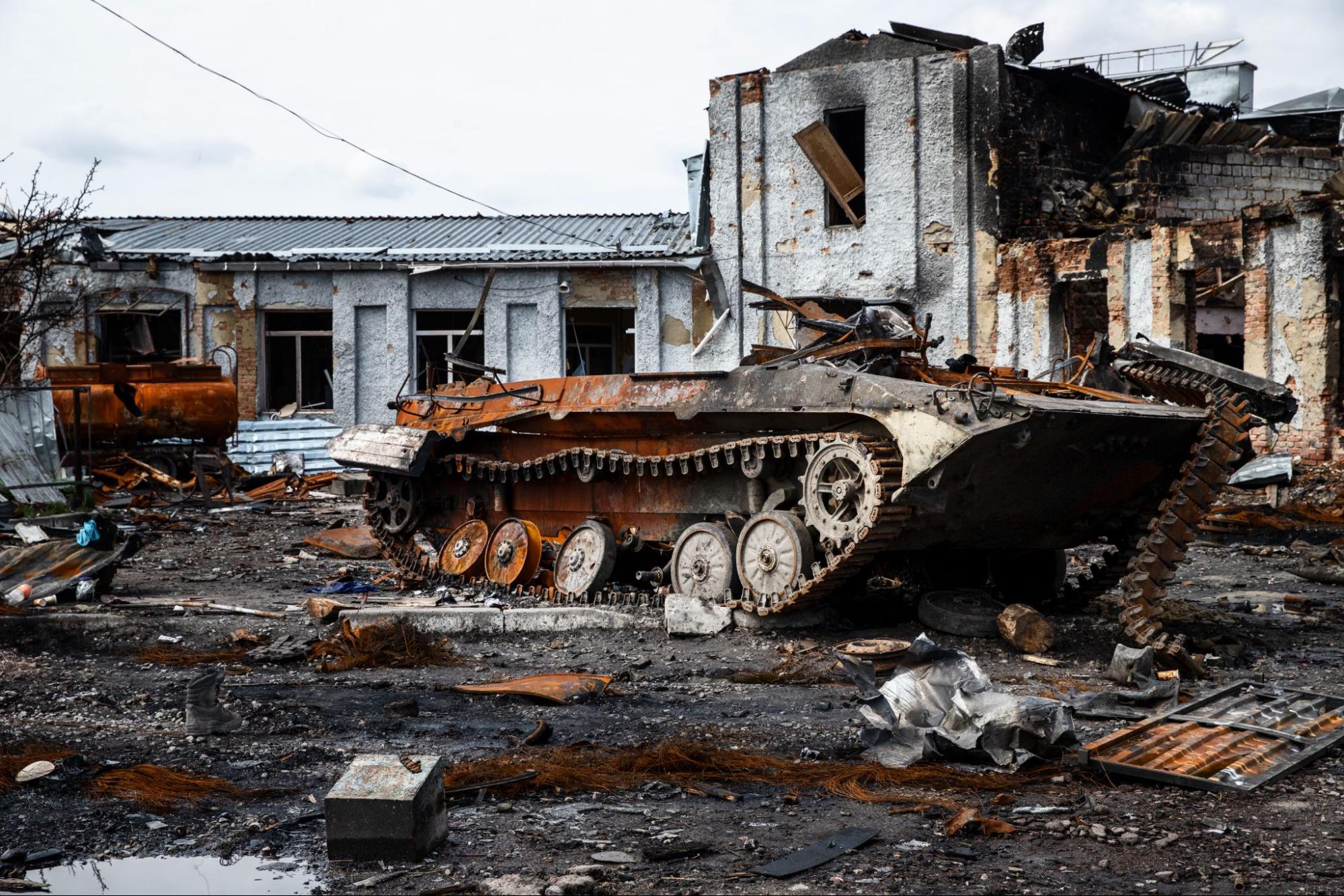
Meanwhile, there are growing reports that the war may be approaching its end. If the war ends soon, Iran will likely face a new stage where the new government must focus on rebuilding the country and responding to demands of its citizens. And, it will be the future leadership of Iran and the direction of its political system will become more important issues for the world. However, there are still major disagreements about how the war should be ended. U.S. president Donald Trump said that “practically nothing left to target”, It appears to be a sign of an end to the war. At the same time, Khamenei’s 2nd son, Mojtaba Khamenei, denied the possibility of the war ending soon, and directly warned the U.S., and its regional allies.
As both sides take such different views, the tension shows no sign of cooling down. Therefore, in terms of economy, over 3200 vessels are currently stuck at the strait of Hormuz, which is mostly used as a fairway to import/export the oils. As a consequence, it leads to an increase of oil price, and the countries not involved in the war might struggle.
In conclusion, If the war continues, the global economy will be shocked, and a large scale of refugees will be displaced, and so on. Despite these conditions, those countries are willing at a crossroads to continue the war or put an end to the war.