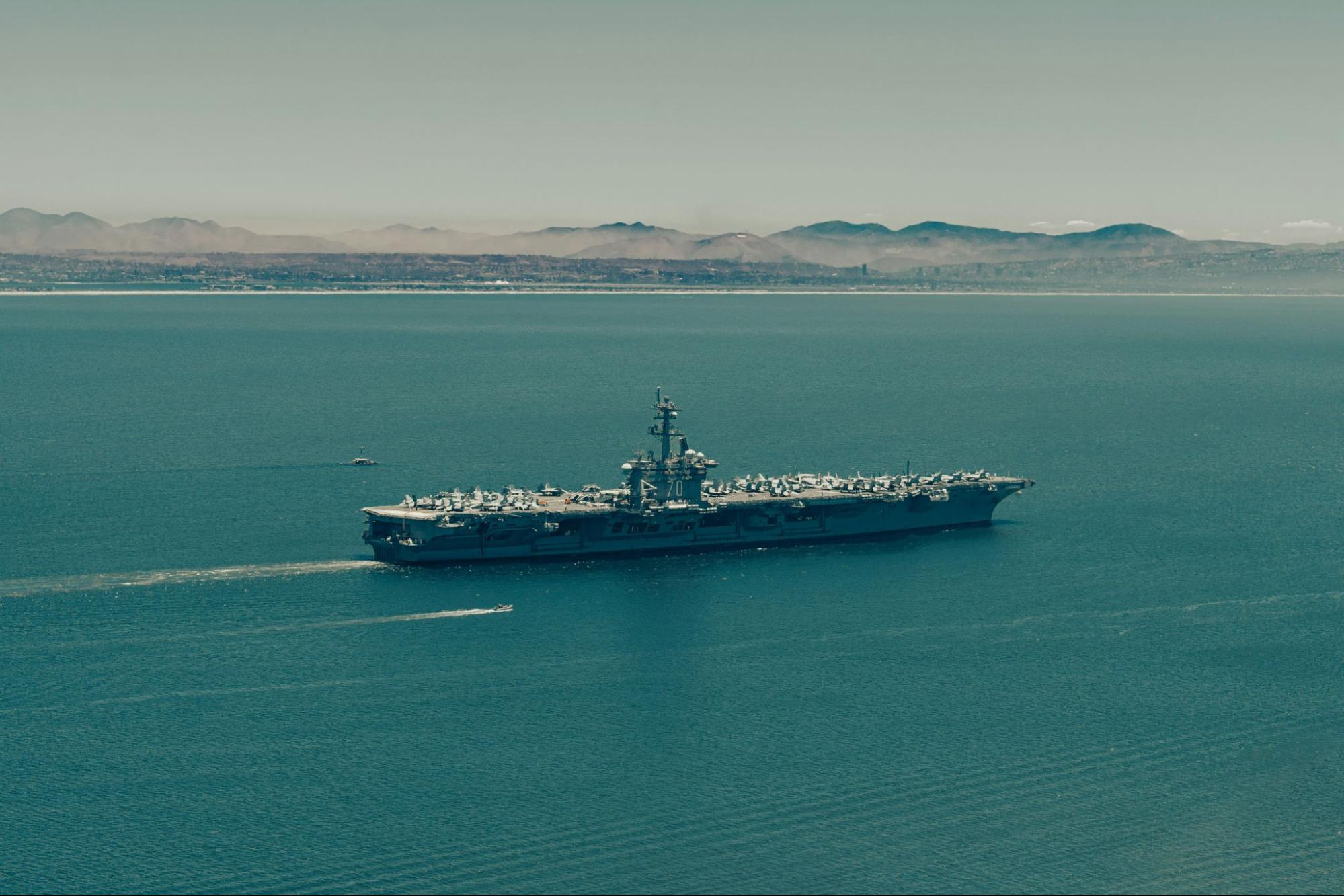
A Superpower in Conflict
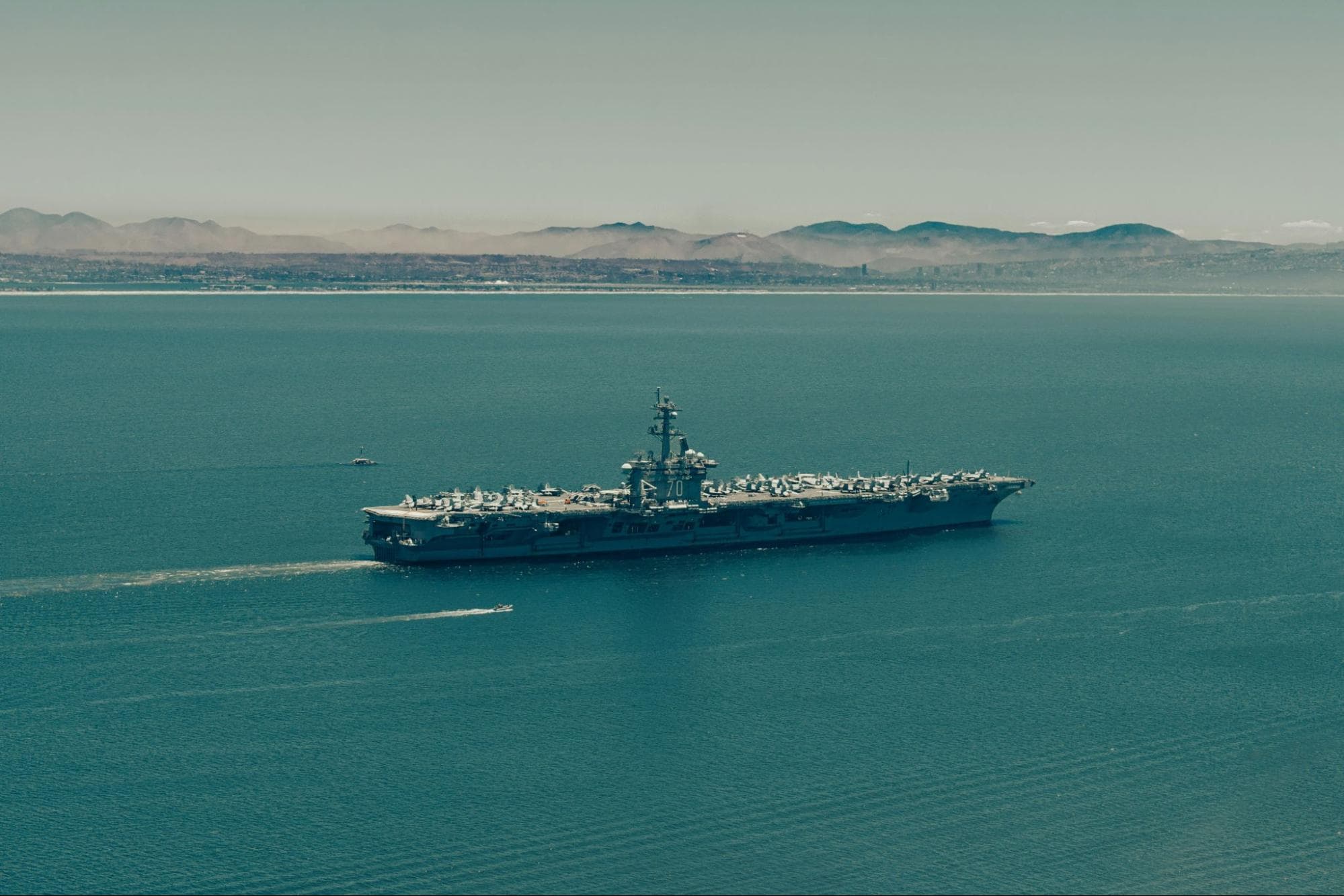
Despite a recently announced ceasefire, tensions in the Middle East remain far from resolved. New missile strikes have already been reported, raising doubts whether the agreement can hold. While the US has paused its attacks, Israel continues its operations, and Iran remains deeply involved in this expanding conflict.
The ceasefire is already showing signs of failure, as missiles were shortly reported after it was announced. Although the US has paused its strikes, Israel continues its military operations, which keeps the conflict active. This situation suggests that the agreement is weak and that both sides do not really trust each other. But, without a strong trust and clear communication, it would be impossible for a ceasefire to last, particularly in a conflict that has already escalated to this level.
However, the US seems to be stepping back, but the fighting between Iran and Israel is still going on. It also raises tensions about what will happen next, although there are plans for diplomatic talks, the overall situation remains unstable. This action shows that the ceasefire is not strong. Even though the US and Iran agreed to stop fighting for now, the tension still continues. Israel is still carrying out attacks, which means the conflict has not truly ended. Because of this, most people believe that the ceasefire may not last long.
Furthermore, there’s still a lack of trust between the countries involved. Without trust, it’s very challenging to reach a long-term agreement. Each side is still prepared to respond if the situation becomes worse, which keeps the tension high. Thus, It’s likely to remain unstable for some time. Even if there are plans for peace talks, a real place will be hard to achieve as long as fighting continues.
Meanwhile, another major issue is the possible closure of Strait Hormuz. Even though both countries agreed to a ceasefire, the strait of Hormuz is still closed. This area is vital to transport a large amount of the world’s oil. If Iran decides to block the strait, it could affect many countries and cause oil prices to rise quickly.
However, according to the latest updates, even though Iran plays a significant role in the closure of Hormuz, the US has decided to blockade the strait and stimulates other nations to participate. In this situation, the key question is how countries that are not directly involved; such as Japan, Korea, and European nations, will resolve and respond to this crisis.